


What Makes a Good Weight Loss Clinic?
Choosing a weight loss clinic is not just about losing kilograms. It is about improving your health safely, sustainably, and with the right support. With so many clinics, programs, and online promises available today, it can be difficult to tell which options are genuinely medical and which are simply repackaged dieting plans.
A good weight loss clinic treats obesity as a medical condition, not a lack of discipline. It understands that weight gain is influenced by biology, hormones, lifestyle, mental health, medications, and environment. Most importantly, it focuses on long-term health outcomes rather than short-term results.
In this article, we break down what truly defines a good weight loss clinic, what to look for before enrolling in a program, and how to make an informed decision that protects your health.
Talk to a Weight Loss Specialist
Nords Weight Loss Clinic would like to walk with you on your weight loss journey. Talk to us today.
What Is a Weight Loss Clinic, Really?
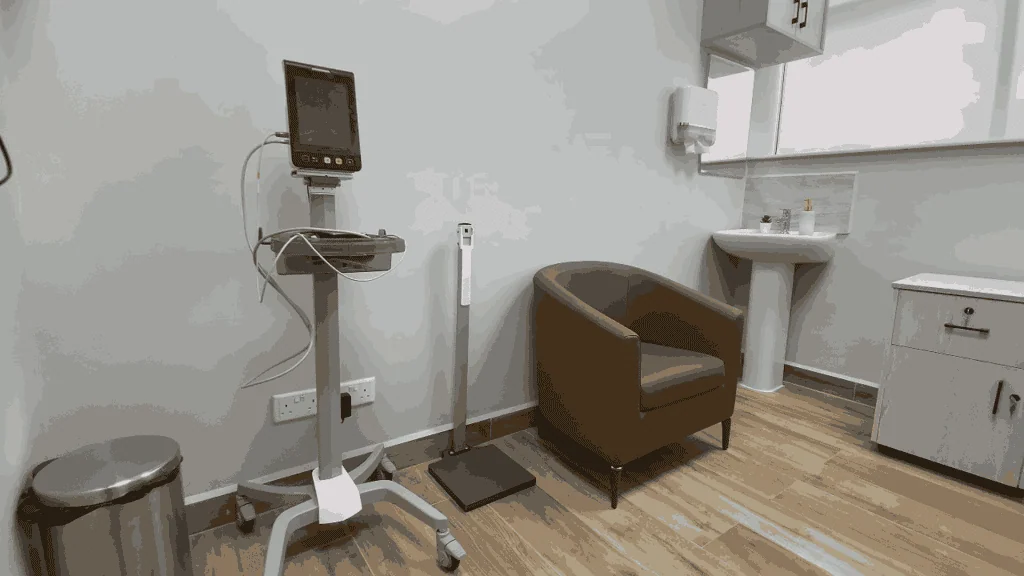
A true weight loss clinic is a medical facility that provides structured, supervised care for people struggling with overweight and obesity. This is very different from fitness programs, detox plans, or supplement-based approaches.
A medical weight loss clinic:
- Assesses your health comprehensively
- Identifies the root causes of weight gain
- Uses evidence-based treatments
- Monitors progress and safety over time
Rather than focusing only on food and exercise, a good clinic looks at metabolism, hormones, mental health, medications, and obesity-related diseases such as diabetes, high blood pressure, PCOS, and sleep apnea.
The goal is not rapid weight loss at any cost, but sustainable improvement in health and quality of life.
Calculate Your BMI
Fill in your details below to calculate your Body Mass Index and get personalised guidance from our weight loss team.
Signs You’re Choosing a Good Weight Loss Clinic
1) Medical oversight and qualified professionals
A good weight loss clinic is medically supervised. This means doctors are involved in assessment and decision-making, supported by qualified nutritionists, nurses, and where appropriate, psychologists or therapists. Medical oversight is essential for safety, especially when medications or advanced interventions are used.
2) Personalised assessment, not one-size-fits-all plans
Effective weight loss starts with understanding the individual. A reputable clinic conducts a thorough assessment that may include medical history, lifestyle evaluation, laboratory tests, and discussion of past weight-loss attempts. Treatment plans should be tailored, not copied and pasted.
3) Evidence-based treatment options
A good weight loss clinic offers interventions that are supported by medical research. These may include nutrition therapy, behaviour change support, medical weight loss injections, endoscopic procedures, or referral for bariatric surgery when appropriate. Clinics that rely on detoxes, teas, or “secret formulas” should raise concern.
4) Focus on long-term results, not rapid weight loss
Sustainable weight loss happens gradually. Clinics that promise extreme results in a short time often set patients up for weight regain. A good clinic prioritises consistency, habit formation, and metabolic health rather than dramatic weekly scale changes.
5) Multidisciplinary support built into the program
Weight loss is not purely physical. Nutrition guidance, psychological support, medical monitoring, and lifestyle coaching all play important roles. Clinics that integrate these services tend to achieve better long-term outcomes than those offering diet plans alone.
6) Clear safety standards and monitoring
Medical safety is non-negotiable. A good weight loss clinic conducts baseline tests, monitors side effects, adjusts treatment as needed, and has clear protocols for managing complications. This is especially important for patients with existing medical conditions.
7) Transparent communication and education
Patients should understand what they are doing and why. A good clinic explains how each intervention works, what results to expect, and what responsibilities the patient has. Education empowers patients to make informed, confident decisions.
8) Structured follow-up and accountability
Weight loss does not end after the first few visits. A good weight loss clinic has scheduled follow-ups, progress tracking, and regular reviews to adjust the plan as needed. Long-term support is key to maintaining results.
9) Ethical, respectful, and stigma-free care
Obesity care should never feel judgmental. Good clinics provide respectful, compassionate care that acknowledges the emotional and social impact of weight struggles. Patients should feel supported, not blamed.
10) Clear pathways if more support is needed
Not everyone responds the same way to lifestyle changes alone. A good weight loss clinic recognises when escalation is needed and discusses additional options openly, without positioning one approach as superior to all others.
Questions to Ask Before Choosing a Weight Loss Clinic

Before committing, ask:
- Is this clinic medically supervised?
- Who will be managing my care long-term?
- What treatment options are available if lifestyle changes are not enough?
- How often will I be reviewed?
- What happens if I stop losing weight or regain weight?
- Is psychological and nutritional support included?
- How long does the program typically last?
Clear, confident answers indicate a clinic that values transparency and patient safety.
Red Flags to Watch Out For
Be cautious if a weight loss clinic:
- Promises guaranteed or extreme results
- Skips medical assessments or lab testing
- Relies heavily on supplements or detox products
- Has no structured follow-up plan
- Pressures you to sign up immediately
- Minimises risks or avoids discussing long-term care
Weight loss is a medical journey, not a sales pitch.
Choosing a Weight Loss Clinic in Kenya
In Kenya, access to weight loss services has expanded rapidly, but regulation and quality can vary. It is important to choose a clinic that operates within recognised medical standards, offers continuity of care, and provides access to follow-up even if you travel or live outside major cities.
Integrated care, where nutrition, therapy, medical treatment, and surgical pathways are available under one system, offers the safest and most effective outcomes.
Frequently Asked Questions: Weight Loss Clinic
Is it worth going to a weight loss clinic?
Yes, if it’s a medical, structured clinic. The biggest value is diagnosing what’s driving your weight, building a plan you can sustain, and adjusting it when you plateau.
Clinics also help safely use tools like labs, medications, nutrition therapy, and (when appropriate) surgery pathways. People who lose weight gradually tend to keep it off better than those doing rapid, unsupervised approaches.
How to lose 10 kg in 1 month?
For most people, 10 kg in 1 month is not a safe or realistic target without strict medical supervision (and even then it’s not usually recommended). A widely accepted safe rate is about 0.5–1 kg per week (roughly 2–4 kg per month for many). Faster loss often increases risks like muscle loss, nutrient deficiency, gallstones, and rebound regain.
How much weight can you lose in 3 months?
A typical sustainable range is ~6 to 12 kg in 3 months (based on ~0.5–1 kg/week), but it varies a lot with starting weight, adherence, medical conditions, meds, and activity.
What is the 3 3 3 rule for weight loss?
There isn’t one official definition. Online, it’s used to mean things like:
- 3 meals/day, ~1.5–2 L water, and ~3 hours exercise/week, or
- other “3-3-3” habit combos.
It can be a nice habit reminder, but weight loss still comes down to a consistent calorie deficit, adequate protein, and adherence over time.
Can I lose 10 kg in 3 months?
For many people, yes, it can be realistic (that’s ~0.8 kg/week). But it depends on your starting weight and health. Aim for safe, steady loss rather than aggressive restriction.
What foods should I avoid for weight loss?
Think “limit” rather than “never,” but these are the usual weight-loss blockers:
- Sugar-sweetened drinks (soda, sweet juices, sweetened tea/coffee)
- Ultra-processed snacks (crisps, sweets, baked snacks)
- Deep-fried foods often (chips, fried chicken, bhajias)
- Processed meats (sausages, bacon)
- Large portions of refined starches (white bread, big piles of rice/ugali) without enough protein/veg
Reducing free sugars, saturated fats, and trans fats is a solid evidence-based starting point.
Does sleep affect weight loss?
Yes, sleep matters a lot. Short or poor sleep is linked to higher hunger, more cravings, and less fat loss during dieting. In studies, sleep disturbance and restriction are associated with less weight/fat loss.
Is chapati good for weight loss?
It can be, depending on portion and what it replaces.
- 1 chapati can fit if the meal is balanced (protein + vegetables).
- Weight loss usually fails when chapati becomes “chapati + rice + potatoes + soda” in one sitting.
- Whole wheat and less oil improves it, but portion still wins.
Can I eat rice while losing weight?
Yes. Rice isn’t “bad”, it’s easy to over-portion.
Best practice: keep rice portions moderate, pair with protein + vegetables, and avoid sugary drinks with it.
What is blocking me from losing weight?
Most common reasons (in clinics these show up daily):
- Portions “creeping up,” liquid calories, frequent snacking
- Not enough protein/fibre → hunger rebounds
- Poor sleep and high stress
- Medications (some antidepressants, steroids, insulin/sulfonylureas, etc.)
- Medical issues: hypothyroidism (less common), PCOS/insulin resistance, sleep apnea
- Underestimating calories and overestimating activity (extremely common)
- Weight-loss plateaus without plan adjustment
A proper clinic solves this by assessing diet pattern + sleep + labs + meds + behaviors.
At what age do females gain the most weight?
Weight gain often starts gradually from early adulthood (around the 30s) and becomes more noticeable in midlife (roughly 40–65). Menopause may shift fat toward the abdomen, but aging-related muscle loss and lifestyle changes play a major role.
What to do before bed to lose weight?
The highest-impact “before bed” actions are boring but powerful:
- Stop eating 2–3 hours before sleep if late snacking is your issue
- Reduce screens and settle into a consistent sleep routine
This improves sleep quality, which supports appetite control and adherence. Late eating is also linked with weight gain risk in population studies.
Which dinner is best for weight loss?
Best dinner is high protein + high fibre + not too oily, for example:
- Grilled/boiled chicken/fish/eggs/beans + lots of vegetables + small portion of starch (or none if you had starch at lunch)
Key idea: dinner should leave you satisfied, not stuffed, and should not trigger late-night cravings.
What is the 2 2 2 rule for weight loss?
There’s no single definition. Online it can mean:
- 2 fruits + 2 vegetables + ~2 liters water, sometimes plus 2 walks/day, or
- other “2-2-2” formats.
Treat it as a simple habit framework, not a medical rule.
Which is better for weight loss, rice or bread?
Neither is automatically better. The deciding factors are:
- portion size
- fibre/protein content (whole grain bread often beats white bread; brown rice beats white rice)
- what you eat alongside it (bread + sugary tea + sausage vs rice + beans + veg are not the same)
What is the hardest age to lose weight?
Often midlife and beyond because muscle mass declines with age, daily activity drops, sleep may worsen, and hormonal shifts can affect body composition.
Does drinking water help with weight loss?
It can help a bit, mainly by reducing hunger and replacing sugary drinks. In a randomized trial, drinking about 500 ml of water before meals increased weight loss compared to dieting alone (especially in middle-aged/older adults).
What are signs that you lost weight?
Good signs include:
- Waist or hip measurements going down
- Clothes fitting looser
- Face/neck changes in photos
- Improved energy, less breathlessness
- Better health markers (BP, glucose, lipids)
Scale weight can fluctuate from water, salt, constipation, and menstrual cycle—so measurements matter.
What is the Japanese trick to lose weight?
There’s no single “Japanese trick” that reliably causes fat loss. Most viral “Japanese” hacks (salt water, special drinks, towel exercise) are marketing. What actually works is what Japan is known for culturally: smaller portions, more walking, regular routines, and consistency (often described as “small changes over time”).
Which fruit is good at night for weight loss?
Any fruit can work, but the “best” night fruit is one that:
- doesn’t trigger overeating
- helps you feel satisfied
Examples people tolerate well: berries, apple, orange. Pairing fruit with a little protein (like yoghurt) often reduces late-night hunger.
Is it better to sleep hungry or full for weight loss?
Neither extreme is ideal.
- Sleeping too full can worsen reflux and sleep quality.
- Sleeping too hungry can disturb sleep and cause rebound eating the next day.
Aim to finish dinner 2–3 hours before bed, and if genuinely hungry, choose a small, protein-forward snack rather than sugary snacks.
What is the 3:2:1 rule before bed?
People usually mean the sleep hygiene rule:
- 3 hours before bed: stop eating (and often alcohol)
- 2 hours before bed: stop work/stimulating tasks
- 1 hour before bed: stop screens
It’s mainly for better sleep, and better sleep supports weight control.
What are the signs that your body is burning fat?
There’s no perfect “fat-burning” symptom you can feel. The most reliable signs are trends over time:
- Weight and/or waist measurements decreasing over weeks
- Strength maintained (suggests less muscle loss)
- Better fitness and metabolic markers
Things like “sweating more” or “feeling warmer” are not reliable indicators of fat loss.

Talk to a Weight Loss Specialist
Nords Weight Loss Clinic would like to walk with you on your weight loss journey. Talk to us today.