


How To Tighten Loose Skin After Weight Loss?
A major change many people notice after weight loss is the loose or sagging skin. This is particularly prominent around the abdomen, thighs, and back. While losing weight offers significant health benefits, excess skin can still become a source of concern. It often leads to physical discomfort, difficulty with clothing, and body dissatisfaction, which can affect self-esteem and confidence.
In this post, we discuss the causes of loose skin after weight loss, the biological factors that influence skin elasticity, and effective strategies for tightening and toning.
Causes of Loose Skin After Weight Loss
To understand why weight loss often results in loose skin, we need to understand the skin’s structure and how it changes during your weight loss journey.
Skin is the largest and most dynamic organ of our body. It has three main layers:
- Epidermis
- Dermis
- Hypodermis.
The epidermis is the thin (0.05 mm to 1.5 mm) outer protective layer. It protects us from pathogens and harmful radiation. Beneath it lies the dermis, which contains collagen and elastin fibers that keep the skin firm and flexible. The deepest layer, the hypodermis, is made up mostly of fat and connective tissue.
When you gain weight, fat cells in the hypodermis expand and stretch the skin over time. To accommodate this change, the dermis also stretches, putting pressure on collagen and elastin fibers.
After major weight loss, the fat volume in the hypodermis decreases, but the stretched dermis may not fully tighten again. The collagen and elastin fibres can weaken and lose their ability to recoil effectively. As a result, loose or sagging skin can develop. This is especially common around the abdomen, arms, thighs, chest, and back.
Why Skin Becomes Loose After Weight Loss
Several factors can influence how much loose skin develops after weight loss:
Age
Younger skin usually has higher collagen and elastin levels, which help it stretch and tighten more effectively. As we age, the skin naturally loses elasticity, making it harder to get back a firmer look after significant weight loss.
In women, menopause significantly affects collagen levels. Studies show that during early menopause, skin collagen decreases rapidly by approximately 30% within the first five years. This decline continues gradually afterward, with collagen levels decreasing by about 2% per year over the next 15 years. Therefore, women who lose weight during this period may face an increased risk of developing persistent loose skin.
Genetics
Some people naturally have more elastic skin than others due to inherited differences in collagen structure and skin quality; weight loss simply adds to the challenge.
Nutrition
The skin needs adequate protein, vitamins, minerals, and hydration to maintain strength and stretchability. If you have any deficiencies, the skin’s structure is weakened over time.
The duration of obesity or excess weight
When the skin remains stretched for many years, collagen and elastin fibers may become permanently damaged. This reduces the skin’s ability to retract after weight loss. In general, the greater and longer the skin stretching, the higher the likelihood of loose skin.
Rapid weight loss
When weight is lost very quickly, the skin may not have enough time to gradually adapt to the body’s changing shape. The result is large areas of loose skin.
Smoking
Smoking damages collagen and elastin fibers and reduces blood flow to the skin. It also accelerates skin ageing and lowers skin elasticity. Together, these factors can significantly affect the extent of excess skin after weight loss.
How to Tighten Loose Skin After Weight Loss
Loosing extra skin is crucial for multiple reasons:
- Improved physical comfort by eliminating folds that rub or chafe.
- Reduced irritation and hygiene issues in hard-to-reach skin folds.
- Enhanced confidence and satisfaction with one’s weight-loss achievements.
There are several ways to get rid of the loose skin. The right approach depends on the amount of weight lost, age, skin quality, and the severity of excess skin. We suggest that you consult a specialist to understand the right approach for you. It gives you clarity and confidence in your efforts and the expected outcomes.
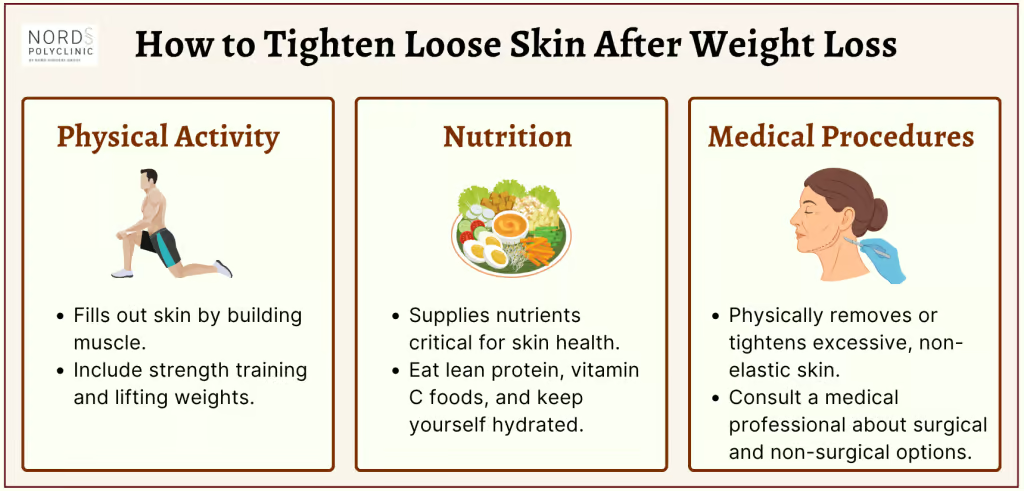
Physical Activity
Regular exercise can help improve body shape and muscle tone after weight loss. Especially, strength training builds muscle beneath the skin, making loose areas appear firmer and more supported.
Exercises that target the abdomen, arms, thighs, and chest can help improve overall body contour. While exercise cannot guarantee the removal of large amounts of excess skin, it can reduce the appearance of mild skin laxity and improve confidence and mobility.
Nutrition
Good nutrition plays an important role in skin health and repair. A diet rich in protein and vitamins such as vitamins C, E, and A helps support collagen production and skin healing. Following a balanced diet that includes lean proteins, fruits, vegetables, healthy fats, and whole grains can support skin health during and after weight loss.
Staying hydrated is equally important. Well-hydrated skin tends to appear healthier, smoother, and more elastic. It is also important to adjust your water intake based on the weather, as the body may require more hydration during hot summers and dry winter months.
Medical Procedures
For moderate to severe loose skin, medical procedures may provide the most effective results. These procedures include both surgical and nonsurgical options. One of the popular surgical procedures is body contouring.
Body contouring refers to a group of surgical and nonsurgical procedures that help remove excess skin or fat from any body part and reshape the body after weight loss. It improves comfort, mobility, clothing fit, and body confidence. In many cases, it is recommended after a person has reached a stable weight and maintains it for several months. A qualified plastic surgeon can help determine the most suitable treatment plan and time based on individual goals and skin condition. This helps ensure that results are long-lasting and not compromised by further fluctuations in body size.
Key takeaways
The presence of sagging skin, whether around the abdomen, thighs, or arms, can mask the hard-earned weight loss results. It interferes with daily life in several ways. Nevertheless, you can get rid of it with professional medical help. For steady and long-lasting results, ensure a non-smoking status and a commitment to maintaining weight through lifestyle habits.