


What Makes a Good Bariatric Surgeon?
Choosing the right bariatric surgeon is one of the most important decisions you will make on your weight-loss journey if you are considering surgery. This choice affects how safely you lose the weight, how well your health conditions improve, and how supported you feel long after surgery is done.
Bariatric surgery is a medical treatment for obesity and obesity-related diseases such as type 2 diabetes, high blood pressure, sleep apnea, and joint disease. Because of this, a good bariatric surgeon must think far beyond the operating room. They must understand the science of weight regulation, the medical risks involved, and the long-term lifestyle changes required for success.
Most importantly, a good bariatric surgeon does not work alone. They operate within a structured system that prioritizes safety, education, and long-term follow-up. The goal is not rapid weight loss at any cost, but durable health improvement, quality of life, and lifelong patient support.
Talk to Prof. Almantas
Do you have questions or concerns about bariatric surgery? Talk to globally renowned surgeon, Prof. Almantas Maleckas.
What Does a Bariatric Surgeon Actually Do?
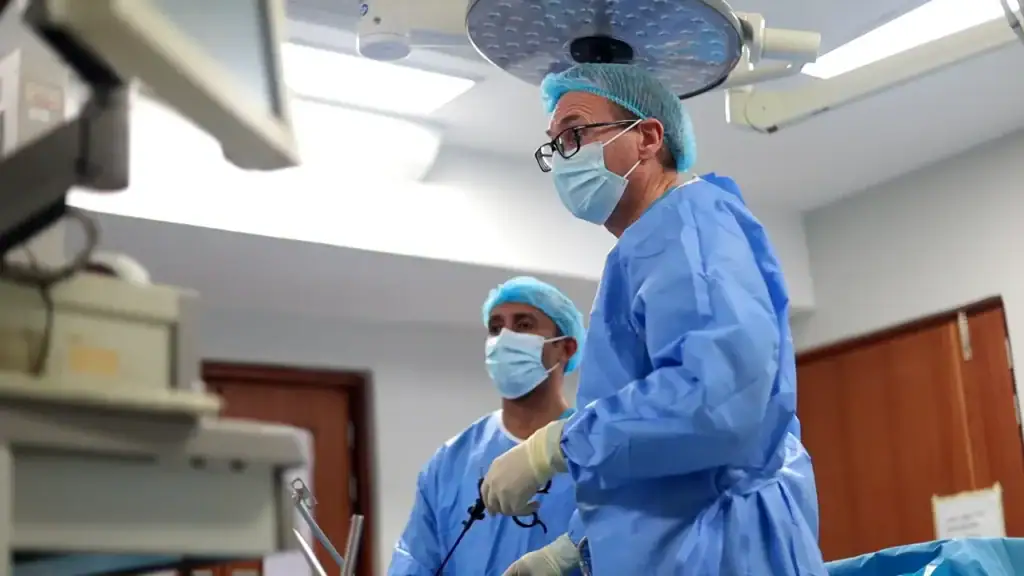
Many people think a bariatric surgeon is only involved on the day of surgery. In reality, the surgeon’s role spans the entire weight-loss journey: before surgery, during the operation itself, and long after you leave the hospital.
- Before surgery, a good bariatric surgeon focuses on assessment and preparation. This includes evaluating your medical history, weight-related conditions, previous weight-loss attempts, and lifestyle factors. The surgeon helps determine whether surgery is appropriate, which procedure is safest for you, and what support systems you will need. This stage is about risk reduction and setting realistic expectations, not rushing to the operating theatre.
- During surgery, the bariatric surgeon’s technical skill becomes critical. Bariatric procedures require advanced laparoscopic expertise, careful handling of tissues, and strict adherence to safety protocols. Precision matters, because even small technical details can affect recovery, complication rates, and long-term outcomes.
- After surgery, the surgeon remains responsible for your medical progress. This includes monitoring healing, managing complications if they arise, adjusting medications, and working closely with nutritionists and therapists to support long-term weight loss. A good bariatric surgeon understands that surgery is only a tool. Long-term success depends on structured follow-up, nutritional monitoring, and ongoing patient education.
In short, a bariatric surgeon is not just an operator. They are a long-term partner in your health journey, guiding decisions, safeguarding your wellbeing, and supporting sustainable change.
10 Signs You’re Choosing a Good Bariatric Surgeon
Not all bariatric surgeons are the same. Training, systems, ethics, and long-term care philosophy make a real difference in outcomes. Below are the key signs that point to a high-quality bariatric surgeon you can trust.
1) Recognised surgical training and bariatric-specific experience
A good bariatric surgeon is first a fully trained general surgeon, with additional focused experience in bariatric and metabolic surgery. This matters because bariatric procedures are technically demanding and require deep understanding of obesity as a disease, not just anatomy. Experience translates into better decision-making, smoother surgeries, and safer recoveries.
2) Operates within a system built for safety
Excellent bariatric surgeons do not work in isolation. They operate in hospitals equipped to care for higher-BMI patients, with experienced anesthetists, appropriate theatre equipment, intensive care access, and emergency support. Safety in bariatric surgery is about systems, not heroics.
3) Measures outcomes and values accountability
A good bariatric surgeon tracks outcomes such as complication rates, readmissions, weight-loss trends, and improvement in conditions like diabetes and hypertension. They are transparent about results and committed to continuous improvement. This culture of measurement protects patients and raises standards of care.
4) Recommends procedures based on evidence, not trends
There is no single “best” bariatric procedure for everyone. A skilled bariatric surgeon considers your BMI, medical conditions, reflux symptoms, eating patterns, lifestyle, and long-term goals before recommending a sleeve, bypass, or another option. Procedure choice should be personalised, not driven by popularity or convenience.
5) Works with a multidisciplinary care team
Long-term success after bariatric surgery depends on more than the operation itself. Good bariatric surgeons work closely with nutritionists, psychologists or therapists, physicians, and nursing teams. This multidisciplinary approach improves weight-loss maintenance, mental wellbeing, and overall health outcomes.
6) Communicates risks honestly and clearly
A trustworthy bariatric surgeon explains both benefits and risks in plain language. They discuss possible complications, expected recovery, lifestyle changes, and the realities of long-term supplementation. They avoid guarantees and focus instead on informed decision-making.
7) Commits to long-term follow-up
Bariatric surgery requires ongoing monitoring. A good bariatric surgeon has a structured follow-up plan that includes clinic visits, blood tests, nutritional reviews, and support for years after surgery. Long-term care is where lasting health gains are protected.
8) Has clear plans for managing complications
Even in the best hands, complications can happen. What matters is preparedness. A good bariatric surgeon explains what symptoms to watch for, how emergencies are handled, and where you will be treated if problems arise. This clarity builds confidence and safety.
9) Respects your goals and your context
An excellent bariatric surgeon listens. They take time to understand why you want surgery, what health outcomes matter most to you, and how surgery fits into your life, culture, and family dynamics. Care should feel collaborative, not rushed or judgmental.
10) Makes you feel informed, supported, and respected
Perhaps the strongest indicator of a good bariatric surgeon is how you feel after the consultation. You should leave with clarity, realistic expectations, and a clear next step. You should feel supported, not pressured.
Consult a Surgeon
Do you have questions or concerns about bariatric surgery? Talk to globally renowned surgeon, Prof. Almantas Maleckas.
Questions to Ask a Bariatric Surgeon Before You Decide
Choosing a bariatric surgeon should never feel rushed. The right surgeon will welcome your questions and answer them clearly. Asking the right questions helps you understand the quality of care, safety standards, and long-term support you can expect.
Below is a practical checklist you can use during your consultation.
About experience and training
- How long have you been performing bariatric surgery?
- How many bariatric procedures do you perform in a typical month or year?
- Which bariatric procedures do you perform most often, and why?
About safety and outcomes
- What are your complication and readmission rates?
- How do you reduce risks during and after surgery?
- Where will the surgery be performed, and what emergency support is available if needed?
About procedure choice
- Which procedure do you recommend for me, and why?
- How will this procedure affect conditions like diabetes, high blood pressure, or acid reflux?
- What alternatives should I consider if surgery is not the best option right now?
About follow-up and long-term care
- What does follow-up look like in the first year after surgery?
- How often will I need blood tests and nutritional reviews?
- Who will support me with diet, supplements, and emotional adjustments?
About complications and support
- What symptoms should prompt me to seek urgent care?
- Who do I contact if I have concerns after hours or after I return home?
- How are complications managed if they occur?
A good bariatric surgeon will authoritatively answer these questions and will explain them patiently and in a way that makes sense to you. If a surgeon avoids questions, minimizes risks, or pressures you to decide quickly, that is a sign to pause and seek a second opinion.
Red Flags That Should Make You Pause
Just as there are clear signs of a good bariatric surgeon, there are warning signs that should prompt you to slow down, ask more questions, or seek a second opinion. Bariatric surgery is life-changing, and shortcuts at this stage can have long-term consequences.
- There is no clear follow-up plan
If the conversation focuses almost entirely on the surgery day and very little on follow-up, that is a concern. Bariatric surgery requires long-term monitoring, nutritional support, and regular reviews. A surgeon who cannot clearly explain what happens after discharge is not offering complete care. - One procedure is pushed as the solution for everyone
There is no universal “best” bariatric procedure. If a surgeon recommends the same operation to every patient without discussing your medical history, eating patterns, reflux symptoms, or long-term goals, that approach lacks individualisation. - Risks are minimized or avoided altogether
Every surgery carries risk. A good bariatric surgeon explains these risks calmly and clearly, alongside how they are prevented and managed. If risks are brushed off or described as “nothing to worry about,” that is not transparency. Informed consent depends on honest discussion. - No multidisciplinary support is offered
Bariatric surgery outcomes are significantly better when nutrition and psychological support are part of the program. If there is no access to a nutritionist, therapist, or structured education, the care model is incomplete. - There is pressure to decide quickly
High-quality bariatric care respects your pace. Pressure tactics, limited-time offers tied to surgery decisions, or discouraging second opinions are red flags. This is your health, not a sales transaction. - Unclear emergency or complication pathways
You should know exactly who to contact, where to go, and how quickly you will be reviewed if something feels wrong after surgery. If this cannot be clearly explained, patient safety may be compromised. - You feel rushed, unheard, or judged
How a surgeon makes you feel matters. If your concerns are dismissed, your questions rushed, or your weight discussed in a judgmental way, trust your instincts. Bariatric care should feel respectful, supportive, and collaborative. - Pausing when you see these red flags is not being difficult. It is being responsible. The right bariatric surgeon will welcome careful decision-making and prioritise your long-term wellbeing over speed.
Frequently Asked Questions About Bariatric Surgeons
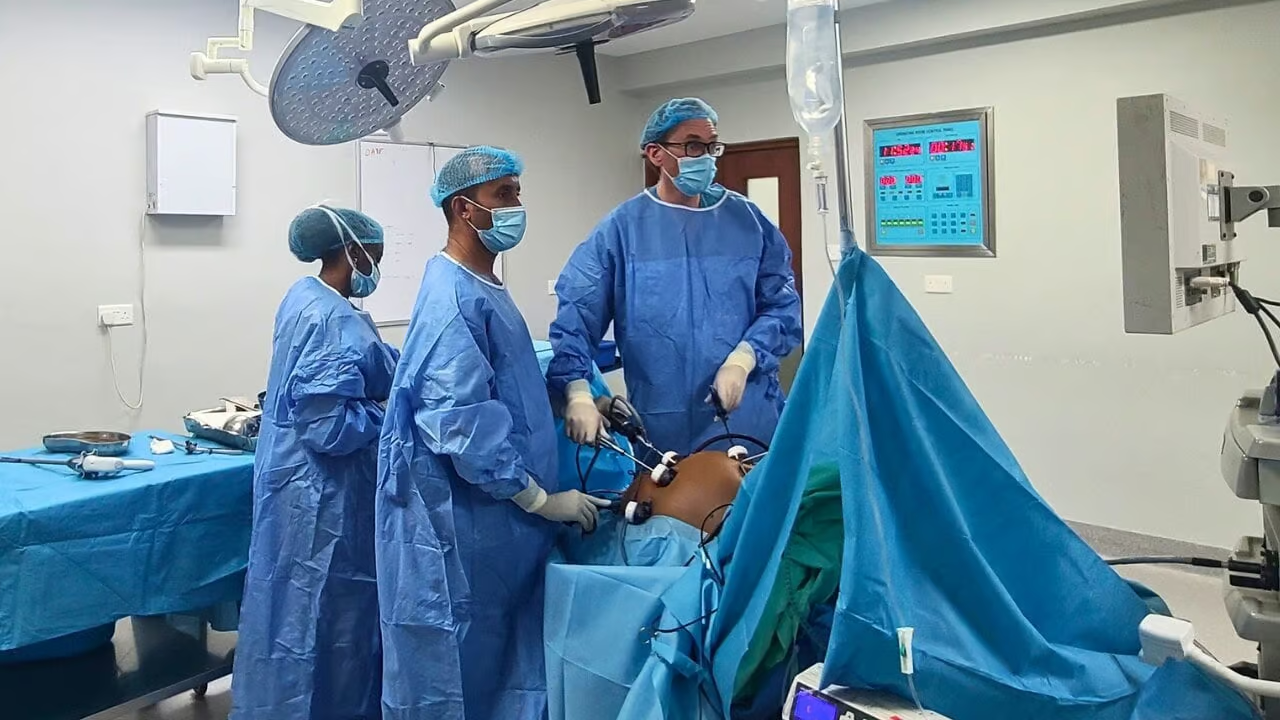
What does a bariatric surgeon do?
A bariatric surgeon is a specialist who performs operations (and coordinates care) to treat obesity and obesity-related diseases like type 2 diabetes, high blood pressure, sleep apnea, and severe reflux.
Their job includes assessing whether surgery is appropriate, choosing the safest procedure, performing the operation (often laparoscopically), and overseeing long-term follow-up with a multidisciplinary team (nutrition, labs, supplements, and complication management).
How much is bariatric surgery in Kenya?
Costs vary by hospital, package inclusions, and length of stay. At Nords Weight Loss Clinic, the published package price for gastric sleeve and gastric bypass is KES 750,000 (including major bundled components like fees, hospital stay, labs, and post-op support).
Other clinics charge closer to ~KES 900,000 depending on the setting and package.
What organ is removed in bariatric surgery?
It depends on the procedure:
- Sleeve gastrectomy: removes a large portion of the stomach permanently (the stomach is the organ being reduced).
- Gastric bypass (Roux-en-Y): usually does not remove an organ; it creates a smaller stomach pouch and reroutes part of the small intestine.
Is bariatric surgery worth it?
For many people with clinical obesity, bariatric (metabolic) surgery is the most effective treatment for substantial, sustained weight loss and often improves obesity-related conditions.
Whether it’s “worth it” depends on medical risk, readiness for lifestyle changes, and access to long-term follow-up. It’s a major decision, but outcomes are strong when done in a quality program with structured aftercare.
How to qualify for bariatric surgery?
Qualification is based on BMI, health conditions, and prior attempts at non-surgical treatment. Modern guidelines recommend:
- BMI ≥ 35: surgery is recommended (even without comorbidities).
- BMI 30–34.9 with metabolic disease (e.g., type 2 diabetes): surgery should be considered in appropriate candidates.
- Clinics also assess safety (heart/lung risk), mental readiness, nutrition habits, and ability to follow up long-term.
Calculate Your BMI
Fill in your details below to calculate your Body Mass Index and get personalised guidance from our weight loss team.
What happens 10 years after gastric sleeve?
Long-term results vary. Many people maintain meaningful weight loss and health improvements, but weight regain and reflux can occur, and some patients may need revision surgery years later. Studies with 10-year follow-up show a notable proportion experiencing inadequate weight loss/weight recurrence and a meaningful revision rate.
What are the disadvantages of bariatric surgery?
Main disadvantages/risks include:
- Surgical risks (bleeding, infection, leaks, clots — uncommon but serious)
- Nutrient deficiencies (especially after bypass) requiring lifelong supplementation
- GI side effects (reflux after sleeve, dumping after bypass, intolerance to some foods)
- Possible weight regain without consistent follow-up and lifestyle support
- Some patients need revisional procedures over time
What are the 4 types of bariatric surgery?
Commonly listed “types” include:
- Sleeve gastrectomy
- Roux-en-Y gastric bypass
- One-anastomosis gastric bypass (mini bypass)
- Duodenal switch / SADI-S (more malabsorptive, usually for higher BMI or specific indications)
How painful is bariatric surgery?
Most patients describe it as moderate post-op discomfort rather than extreme pain, especially with laparoscopic surgery and modern pain control. Pain is usually worst in the first few days and improves steadily over 1–2 weeks. Shoulder/chest discomfort from surgical gas can happen early on. Recovery experience varies by person and procedure.
Does bariatric surgery remove your stomach?
Not entirely.
- Sleeve: removes a large portion of the stomach, leaving a smaller “sleeve.”
- Bypass: creates a small pouch from the stomach; the rest of the stomach remains in the body but food bypasses it.
What can you never do again after bariatric surgery?
“Never” is too absolute, but there are lifelong non-negotiables for safety and success:
- You must take recommended vitamins/minerals long-term (especially after bypass).
- You should avoid smoking and limit alcohol (higher sensitivity and risk).
- Many programs advise avoiding NSAIDs (like ibuprofen/diclofenac) especially after gastric bypass due to ulcer risk (your surgeon will guide you).
- You generally need to avoid drinking liquids with meals early on and keep portions small to prevent discomfort and poor nutrition.
These aren’t punishments — they’re how you protect your results and health long-term.
What is another name for a bariatric surgeon?
You may also hear:
- Metabolic and bariatric surgeon
- Bariatric and metabolic surgeon
Does bariatric surgery make your stomach smaller?
Yes.
- Sleeve physically removes part of the stomach to reduce volume.
- Bypass creates a small stomach pouch so you feel full sooner, plus intestinal changes that affect hormones and absorption.

Talk to Prof. Almantas
Do you have questions or concerns about bariatric surgery? Talk to globally renowned surgeon, Prof. Almantas Maleckas.