


Nutrition vs. Exercise: What Works Best For Weight Loss
A balanced diet provides your body with energy and essential nutrients. Beside diet, many people include structured physical activity in their routine, as it improves overall health. Often, people on a weight loss journey prioritize workout over nutrition. They try different types of exercises and even increase their workout duration to maximize daily calorie burn. But how much of that really helps with weight loss?
In this blog post, we discuss whether exercise is enough to achieve significant weight loss and what else you need to consider if you are on a weight loss journey.
Nutrition for weight loss
Your diet should meet the body’s energy and nutritional needs. Nutrients are broadly categorized into macronutrients and micronutrients, each requiring specific daily intake ranges to support optimal health. Under macronutrients, we have 3 main types:
- Carbohydrates
- Proteins
- Lipids
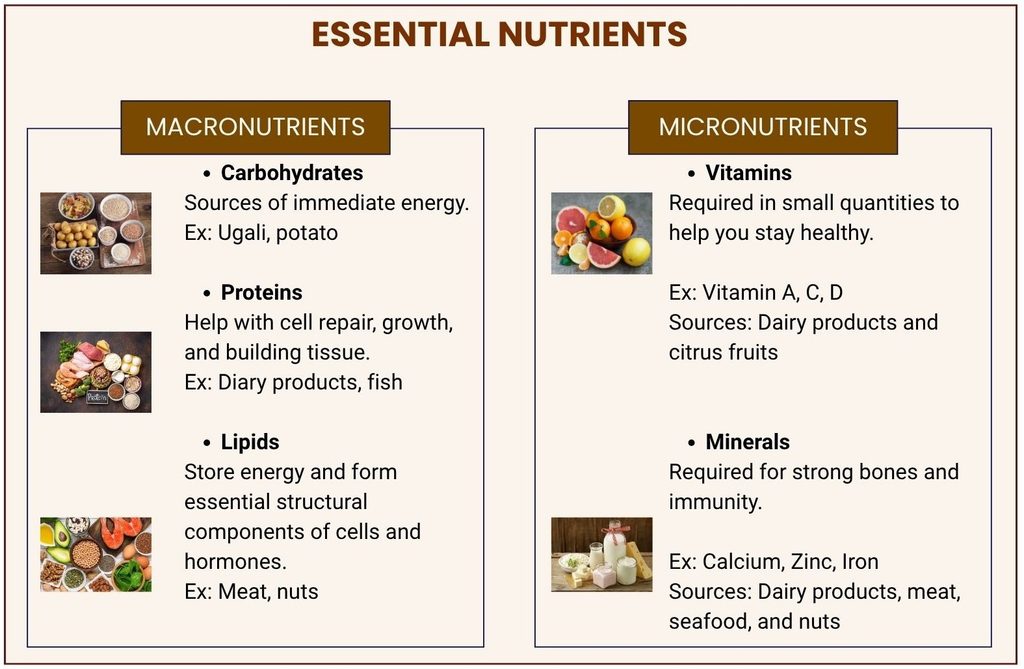
Carbohydrates are mainly sources of immediate energy. They play key roles in different biological functions. Traditional staples like Ugali are rich sources of carbohydrates. However, portion control is key when consuming carbohydrates.
Proteins help with cell repair, growth, and building tissues. You can rely on a variety of plant and animal sources for quality protein. Examples include fish, whole grains, dairy products, and sprouts.
Lipids help with energy storage, and they are also important for the structure and function of several hormones. A variety of plant and animal sources provide quality dietary lipids. Examples include nuts and seeds, vegetable oils, meats, and sea food.
Your daily requirement for each macronutrient varies based on your age, sex, lifestyle, and any underlying medical conditions.
Micronutrients, on the other hand, include vitamins and minerals such as vitamin B12, iron, and calcium. These are important in trace quantities to keep your body functioning well. Vegetables like Sukuma Wiki are rich in several micronutrients such as vitamin K, vitamin C, and Calcium. So, a balanced diet ensures you receive macronutrients as well as micronutrients from your food in optimal quantities.
Food also provides energy, which is measured in calories.The energy is used to perform body functions like the heartbeat, walking, and brain funcitoning to name a few. Balancing calories consumed with those burned helps maintain weight. If you consume more calories than required, the extra energy is stored in the form of fat, resulting in weight gain.
If you are on a weight loss journey, you need to create a calorie deficit; you should consume fewer calories than your body requires. To understand calorie deficit, we need to understand two vital parameters here:
- Resting metabolic rate (RMR): RMR is the minimum amount of energy required for your body to function at rest. It includes the energy required to maintain vital body functions, such as regulating body temperature, breathing, and supporting your heartbeat.
- Total daily energy expenditure (TDEE): TDEE is the total amount of energy your body uses each day for all activities and functions. It includes your RMR plus the energy used during daily movement and physical exercise.
RMR and TDEE differ from one individual to another depending on age, sex, weight, physical activity, and medical conditions. Calculating them helps you understand your energy requirements per day. Then, your eating habits and meal plan provide information on how many calories you are actually consuming per day. If you have been consuming more than your TDEE, you need to create a calorie deficit, which helps you lose weight.
Creating a calorie deficit is the primary driver of weight loss. Even if you are on a non-surgical weight loss treatment or have undergone bariatric surgery recently, a calorie deficit plays an important role in maximizing your results. However, avoid crash diets or trending eating plans without medical supervision, as they may not be safe or suitable for your body’s specific needs. Consult a certified nutritionist for an accurate estimate of your RMR and TDEE and to achieve weight loss safely under medical supervision.
Exercise for Weight Loss
Regular exercising improves your physical and mental health. It is an effective method for energy balance and hence useful if you are on a weight loss journey. The benefits from exercise vary depending on intensity, duration, type of exercise, and your lifestyle.
The general benefits of regular exercising include:
- Strengthen your heart muscle and improves circulation, significantly reducing the risk of heart disease and stroke.
- Reduce stress, anxiety, and symptoms of depression while improving overall brain function.
- Help burn calories and build lean muscle mass, which increases RMR and makes it easier to maintain or lose weight.
- Increase bone density to prevent osteoporosis and help preserve muscle mass, joint stability, and strength as you age.
- Improve sleep quality and regulate your body’s internal clock.
However, exercising alone does not ensure significant weight loss results. Here are the 3 main reasons for it:
- Dietary intake outpaces exercise
Say you burn 500 calories in a physical activity session. If you consume a highly palatable, ultra-processed food that has 500 calories (or more), it’s very easy to offset that burn. Highly palatable (often calorie-dense) foods are easy to overconsume, meaning all the effort and calories burned through physical activity are quickly erased by your diet. - Metabolic adaptation
Your body undergoes metabolic adaptation when you stick to a physical activity routine. To compensate for the extra energy burned during exercise, your body naturally tries to conserve energy during the rest of the day by downregulating non-exercise movements like fidgeting. This change slightly lowers your RMR. Because your body adapts to burn fewer calories at rest, exercise alone becomes less effective for weight loss over time unless paired with a proper diet. - Diet quality and satiety
Diet quality is critical for proper nutrition and long-term sustainability. If your diet consists largely of refined carbohydrate-rich foods with little to no protein, cravings increase and you feel consistently hungry. In that case, the calories burned through physical activity are easily offset by the calories you consume. Such a diet fails to provide the required protein and essential fats necessary for muscle building and tissue repair. Therefore, diet quality is crucial because exercise alone cannot compensate for the nutritional and satiety needs that a proper diet provides.
Summary
A healthy diet and regular physical activity support sustainable weight loss. While exercise supports your mental health, heart function, and mood, a balanced diet ensures your body’s daily energy and nutritional needs are met. For people on a weight loss plan, calorie deficit through quality diet is essential for sustainable and significant weight loss. To determine your individual diet and physical activity requirements, consult a certified nutritionist for thourough assessment. This allows you to understand what works for your unique needs and track progress beyond just the number on the scale. For tailored weight loss plans and expert-guided assessments, connect with us today.