


5 Weight Loss Myths Debunked by a Bariatric Specialist
Calculate Your BMI
Fill in your details below to calculate your Body Mass Index and get personalised guidance from our weight loss team.
In a world of viral hacks and WhatsApp remedies, it’s easy to confuse quick fixes with real science. As a bariatric specialist, I see the fallout every week: people working hard but following advice that stalls fat loss, worsens cravings, and derails long-term health.
Today, we separate fact from fiction on five popular trends; rice water with lemon, chia seeds, green tea, smoothies, and intermittent fasting. I’ll explain what the evidence actually says, when (and for whom) these tactics might help, and where they fall short.
The goal isn’t to shame popular ideas but to give you practical, sustainable strategies that support metabolic health, not just the scale.
Expect clear takeaways, red-flag claims to ignore, and simple swaps you can make today. This applies whether you’re preparing for bariatric surgery, recovering after it, or pursuing non-surgical weight loss with medical supervision. Ready? Let’s bust the myths!
Consult a Surgeon
Do you have questions or concerns about bariatric surgery? Talk to globally renowned surgeon, Prof. Almantas Maleckas.
Myth 1. Rice Water and Lemon for Weight Loss
In recent years, videos claiming that drinking rice water with lemon can “melt belly fat” have spread rapidly across social media. The recipe is simple – boil rice, strain the liquid, add lemon juice, and drink it daily. Advocates say it boosts metabolism and burns fat faster.
Science tells a different story. Rice water is essentially a starchy liquid; it contains carbohydrates, trace minerals, and very small amounts of protein. While it can provide quick energy, it doesn’t have any special fat-burning properties.
In fact, because rice water is high in simple carbohydrates, drinking it in large amounts may spike blood sugar, especially for people with insulin resistance, prediabetes, or type 2 diabetes. Lemon juice adds vitamin C and a bit of flavor, but there’s no credible evidence that pairing it with rice water turns it into a weight loss elixir.
Where does the myth come from? In some cultures, rice water is traditionally used for hydration and recovery after illness, or to help with digestive issues. It can be soothing, but that’s not the same as supporting weight loss.
In fact, if you’re trying to lose weight, regularly drinking calorie-containing liquids, no matter how “natural”, can quietly add up and slow weight loss progress.
Bottom line: Rice water with lemon won’t harm most healthy adults if taken occasionally, but it’s not a fat burner. If you want a morning drink that supports weight loss, plain water, unsweetened green tea, or black coffee are more effective choices. And remember: sustained weight loss comes from a combination of balanced nutrition, physical activity, and, when appropriate, medical or surgical intervention, not from quick-fix drinks.
Myth 2. Chia Seeds for Weight Loss
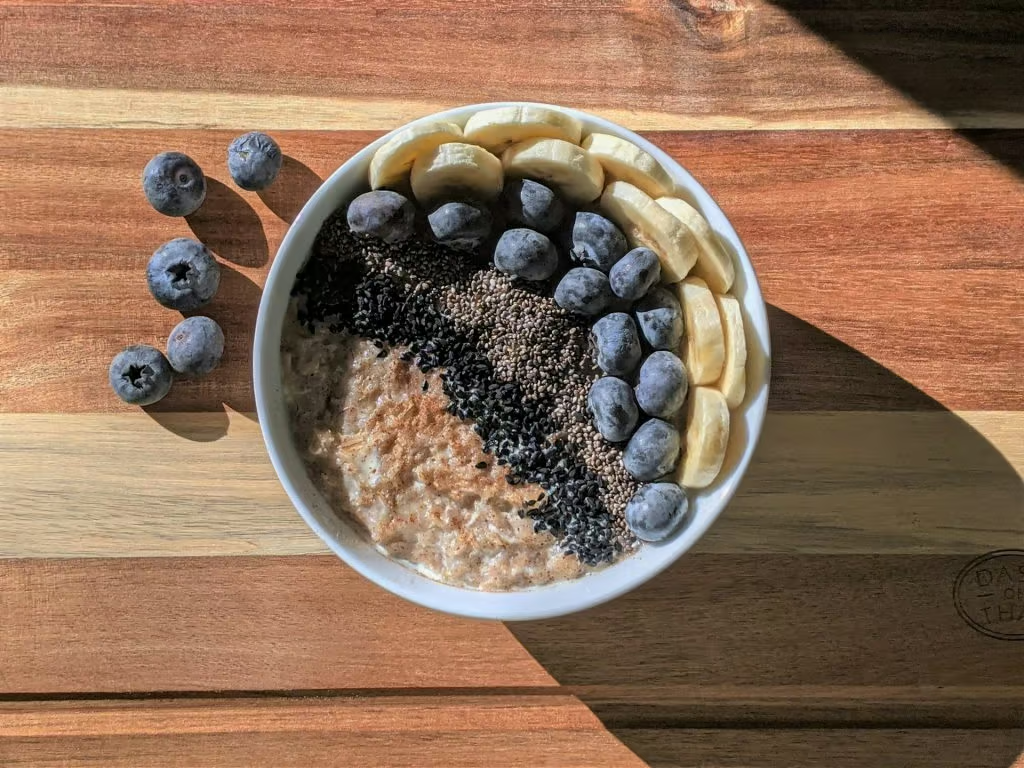
Chia seeds have earned a reputation as a “superfood,” with claims that simply adding them to your diet will melt away excess weight. The logic is that chia seeds absorb many times their weight in water, creating a gel-like texture that keeps you fuller for longer, helping you eat less.
There is some truth to this. Chia seeds are a great source of fiber, omega-3 fatty acids, and plant-based protein. The fiber in particular can slow digestion, which may help reduce hunger. But here’s the important detail: chia seeds are not a magic bullet.
Studies show they can support satiety as part of a balanced diet, but eating chia seeds alone, without making other changes to your eating habits, won’t trigger significant weight loss.
There’s also the calorie factor. While nutrient-dense, chia seeds are not calorie-free. Two tablespoons contain roughly 140 calories. Overeating them (or adding them to high-calorie smoothies and desserts) can actually work against your weight loss goals.
From a bariatric specialist’s perspective, chia seeds can be a smart addition to a healthy eating plan, particularly for patients who need more fiber after surgery. They mix well into yogurt, salads, or oatmeal. However, they work best as part of an overall healthy eating strategy that emphasizes portion control, protein intake, and limited added sugars.
Bottom line: Chia seeds are healthy and can support weight management, but they’re not a stand-alone solution. Think of them as a helpful tool, not a replacement for a well-structured eating plan.
Myth 3. Green Tea Burns Fat Fast

Green tea has been marketed for years as a natural fat burner, with some brands promising rapid results just by drinking a few cups a day. The idea comes from the fact that green tea contains catechins (antioxidants) and a modest amount of caffeine—both of which can slightly boost metabolism.
The science does back some of these claims, but with important caveats. Multiple studies show that green tea extract can help the body burn a small number of extra calories each day, and it may encourage the body to use stored fat for energy.
However, the effect is modest and nowhere near the dramatic “shrink your waist in a week” results you see in ads. For most people, the difference might be an extra 70 to 100 calories burned daily, which is the equivalent of a small snack.
It’s also worth noting that not all green tea products are created equal. Bottled green teas often contain added sugar, which cancels out any calorie-burning benefits. Even some “diet” teas sold online are spiked with laxatives or other unsafe additives, which can cause dehydration and digestive issues rather than true fat loss.
From a bariatric specialist’s perspective, green tea is worth including in a healthy lifestyle, not because it’s a miracle drink, but because it’s calorie-free (if unsweetened), rich in antioxidants, and can replace higher-calorie beverages like soda or juice. That swap alone can make a meaningful difference in weight control.
Bottom line: Green tea can play a small supporting role in weight loss, but it’s not a substitute for a balanced diet, regular physical activity, and, when needed, medical intervention. Think of it as a gentle ally, not your main strategy.
Talk to a Weight Loss Specialist
Nords Weight Loss Clinic would like to walk with you on your weight loss journey. Talk to us today.
Myth 4: Smoothies are a Healthy Weight Loss Choice

Smoothies are often marketed as the perfect health food. They are a colorful blend of fruits, vegetables, and “superfood” powders. The assumption is simple: if it’s in a smoothie, it must be good for you, and if it’s good for you, it must help you lose weight.
The truth is more complicated. While smoothies can be nutrient-dense, they can also be calorie bombs. A large smoothie made with multiple servings of fruit, full-fat yogurt, nut butters, and sweetened protein powders can easily exceed 500 to 700 calories. sometimes more than a full meal. And because smoothies are liquid, they don’t trigger the same fullness signals as solid food, meaning you can drink a lot without feeling as satisfied.
Another common trap is “store-bought health smoothies,” which often contain added sugars, syrups, and concentrated fruit juices. These spike blood sugar and can lead to energy crashes and increased cravings later in the day. For patients who have undergone bariatric surgery, such high-calorie liquids can slow progress or even lead to weight regain.
That said, smoothies can work for weight loss when done thoughtfully. A bariatric-friendly smoothie should focus on protein (such as whey or plant protein powder), unsweetened liquids, and moderate amounts of fiber-rich fruits or vegetables. Think spinach, berries, and unsweetened almond milk, not mango juice and three bananas.
Bottom line: Smoothies are not automatically a weight loss food. They can be a useful tool if portioned and balanced correctly, but they can just as easily become a hidden calorie trap. Treat them like a planned meal, not an anytime snack.
Myth 5: Intermittent Fasting Works for Everyone

Intermittent fasting (IF) has become one of the most talked-about weight loss methods in recent years. Limiting your eating to certain hours of the day or certain days of the week sounds straightforward, and research does show it can lead to weight loss by reducing overall calorie intake. Popular methods include the 16:8 (16 hours fasting, 8 hours eating) and the 5:2 (normal eating 5 days a week, reduced calories on 2 days).
But here’s the reality: intermittent fasting is not a universal solution – it doesn’t work for everyone. While it can be effective for some people, especially those who find it easier to stick to time restrictions than constant calorie counting.
It doesn’t magically change how the body burns fat. The weight loss still comes from a calorie deficit. And for others, skipping meals can lead to increased hunger, overeating during eating windows, or nutrient deficiencies if the food choices aren’t balanced.
From a bariatric perspective, IF can be risky for certain patients, especially after surgery. In the early recovery stages, frequent small meals are essential to meet protein and nutrient needs. Long fasting windows can make it harder to hit those targets, and may cause fatigue or slowed healing.
There’s also the mental health component. For some people, strict fasting windows can trigger obsessive thinking about food or even disordered eating patterns. Any fasting plan should be approached with medical guidance, especially for those with diabetes, eating disorders, or other health conditions.
Bottom line: Intermittent fasting can be a useful tool for weight loss, but it’s not right for everyone, and it’s not inherently better than other balanced eating strategies. The best plan is one you can sustain long-term while meeting your body’s nutritional needs.
Talk to Prof. Almantas
Do you have questions or concerns about bariatric surgery? Talk to globally renowned surgeon, Prof. Almantas Maleckas.